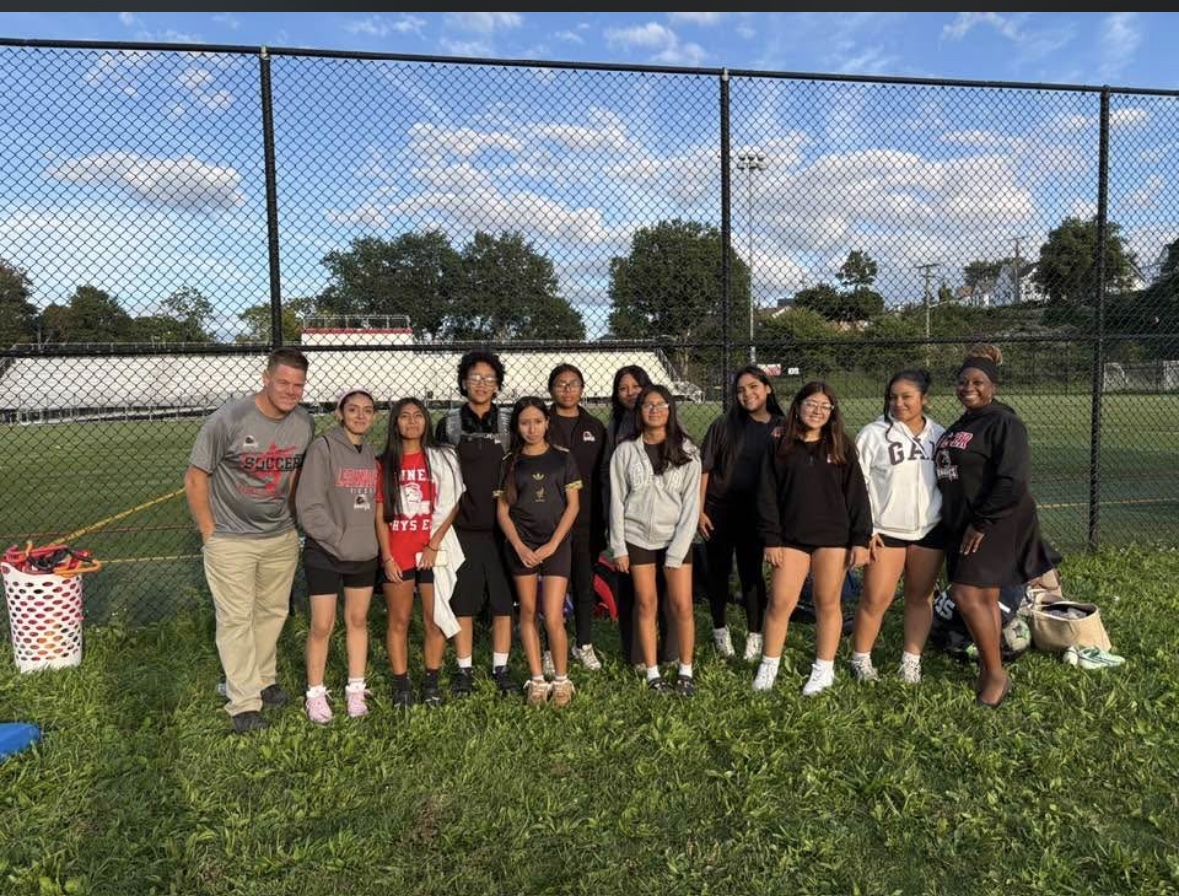
Edades 7–10
Lunes y miércoles
4:30–6:00 PM
Primera sesión: lunes 19 de octubre de 2026.

Fútbol formativo para Paterson y más allá
Coach Fútbol LLC sirve a clubes, organizaciones y comunidades ofreciendo experiencias de fútbol juvenil centradas en los jugadores y la comunidad.
Técnica · Comprensión del juego · Creatividad · Carácter
Aprender para jugar. Jugar para aprender.
Paterson · Temporada 2026–27
Un lugar para jugar, aprender y crecer juntos. Información para las familias de nuestra comunidad.
Edades 7–10
4:30–6:00 PM
Primera sesión: lunes 19 de octubre de 2026.
Edades 11–14
4:30–6:00 PM
Primera sesión: martes 20 de octubre de 2026.
Timothy Street · Paterson, NJ
Consulte los avisos para cambios de horario y días sin entrenamiento.
Para nuestras familias
Guarde este enlace y consulte aquí los avisos del entrenador, recordatorios y novedades de las sesiones.
Los entrenamientos comienzan el lunes 19 de octubre para las edades de 7–10 años y el martes 20 de octubre para las edades de 11–14 años. Ambos grupos se reúnen de 4:30 a 6:00 PM en el gimnasio de la Escuela 9, en Timothy Street. ¡Nos alegra aprender y jugar juntos!
Oportunidades de colaboración
El modelo puede apoyar iniciativas locales, colaboraciones con clubes y una red de entrenadores. Cada propuesta se define con la organización anfitriona, las familias y el espacio disponible.
Comenzamos el lunes 19 de octubre de 2026 en el gimnasio de la Escuela 9, en Timothy Street. Edades 7–10: lunes y miércoles. Edades 11–14: martes y jueves. Horario: 4:30–6:00 PM. Temporada: octubre–junio.
El programa Regional Development School de Red Bulls ofrecerá una oportunidad de desarrollo para jugadores de la ciudad. La sede, el calendario y el grupo se coordinarán con el club y los aliados locales.
Con raíces en dos décadas de trabajo de desarrollo de jugadores en Rochester y el área de Nueva York, nuestra alianza reconoce el aporte de los entrenadores chilenos que han ayudado a formar jugadores en ambas comunidades.
Cómo se sostiene la calidad
Bienvenida y activación; un juego o problema para resolver; práctica que se adapta a lo que ocurre; cierre y reflexión.
Cada entrenador trabaja desde principios comunes: jugador primero, decisiones con balón, progresión adecuada, seguridad y respeto.
Planificación común, observación y retroalimentación ayudan a integrar entrenadores y nuevos grupos sin diluir los estándares.
Nuestra razón de ser
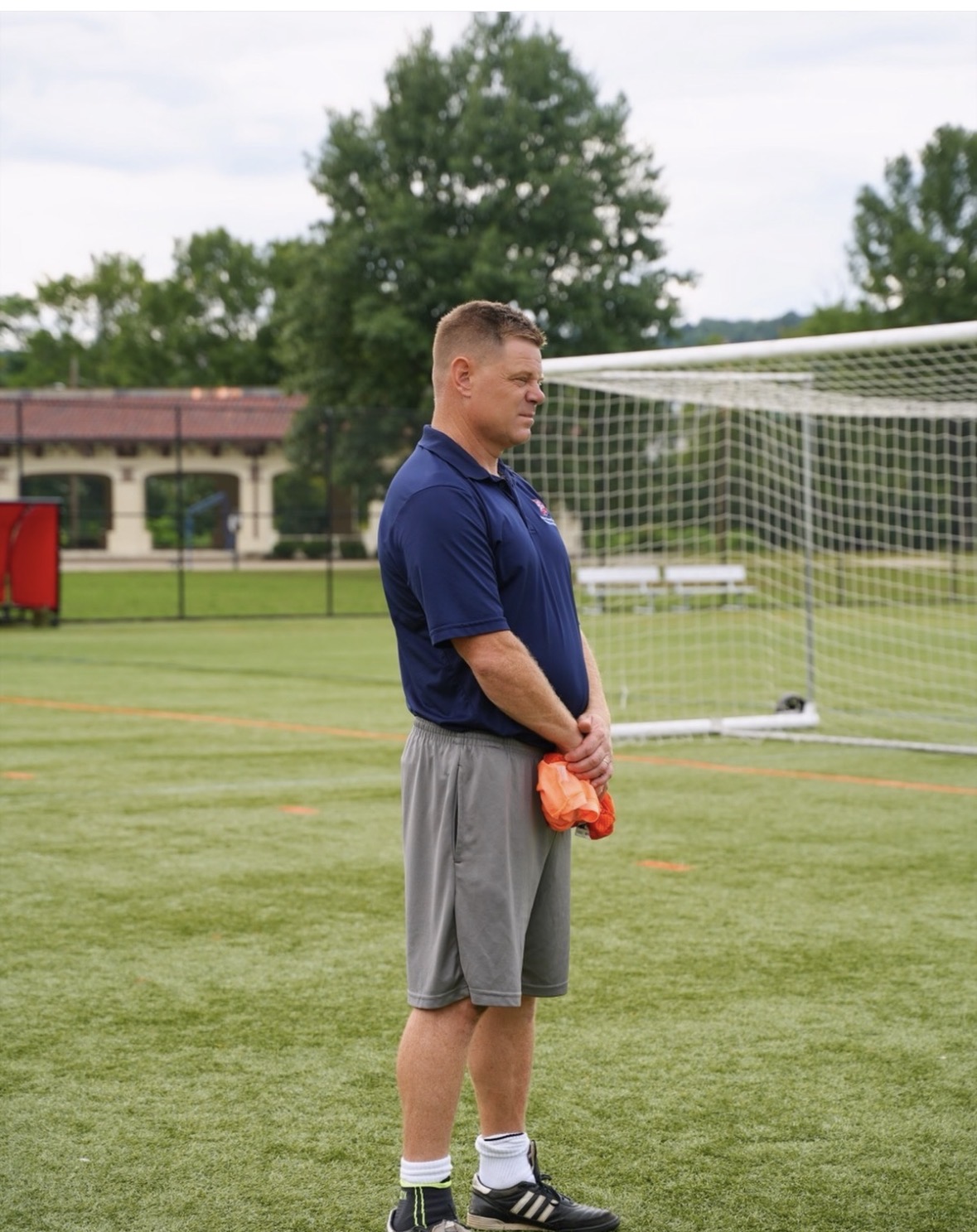
Fútbol Formativo Alliance reúne personas y organizaciones para compartir saberes, elevar las prácticas de formación y crear más oportunidades para que niños y jóvenes aprendan el juego en entornos seguros, exigentes y humanos.
La iniciativa es convocada por Matthew McConnochie a través de Coach Fútbol LLC, fundada en 2021. Su enfoque une experiencia como jugador, formación profesional, educación y más de dos décadas dirigiendo equipos y programas de fútbol.
Tres etapas, un mismo propósito
Iniciación, fundamentación y rendimiento forman un camino continuo que acompaña a cada jugador desde el descubrimiento del juego hasta su máximo potencial, integrando técnica, comprensión, condición física y desarrollo personal.
Las edades son orientativas. Cada jugador avanza según su preparación, sus necesidades y los desafíos que está listo para asumir.
Jugar para aprender
Aprender para jugar
Entrenar para rendir
Una referencia integral
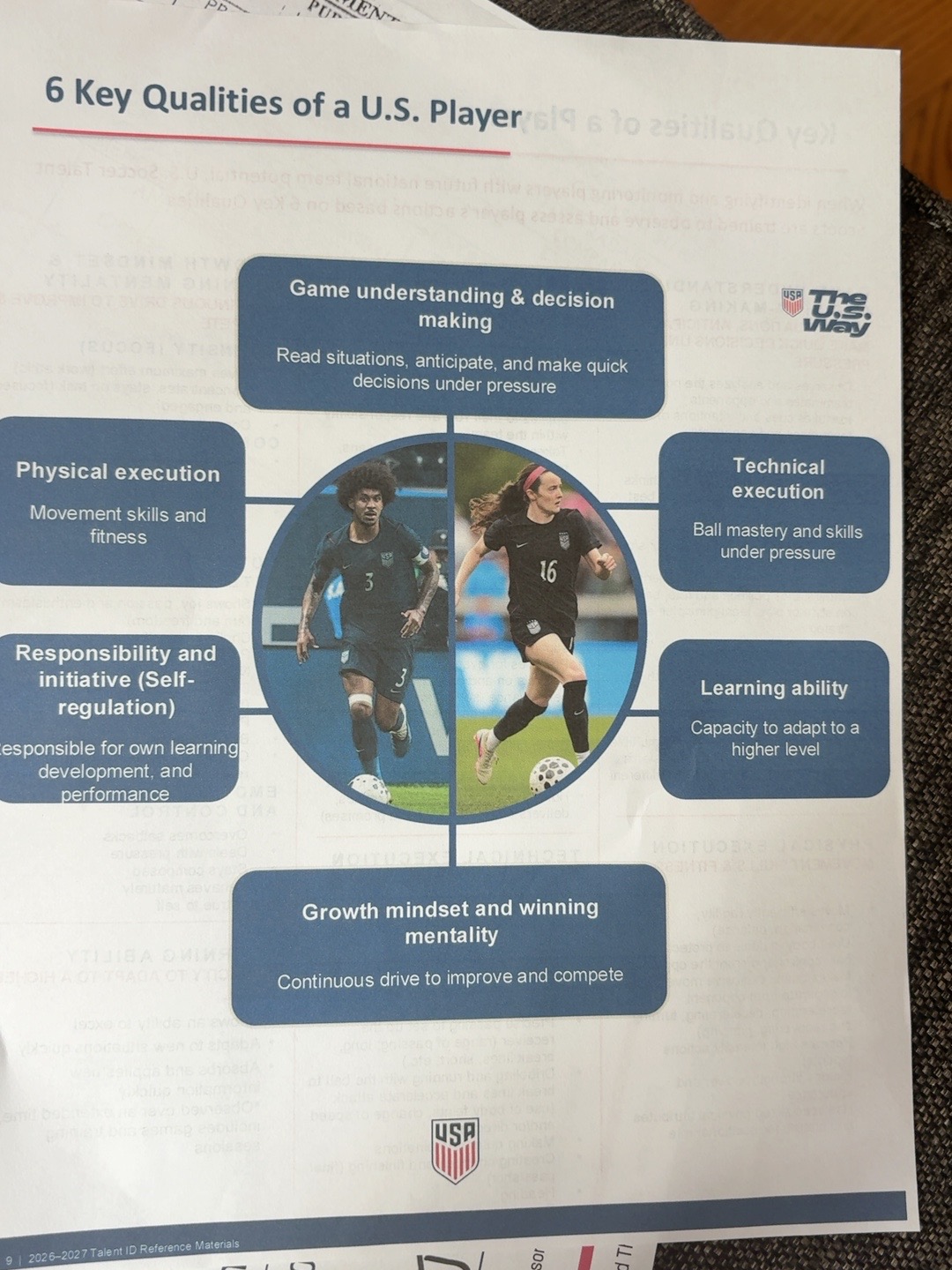
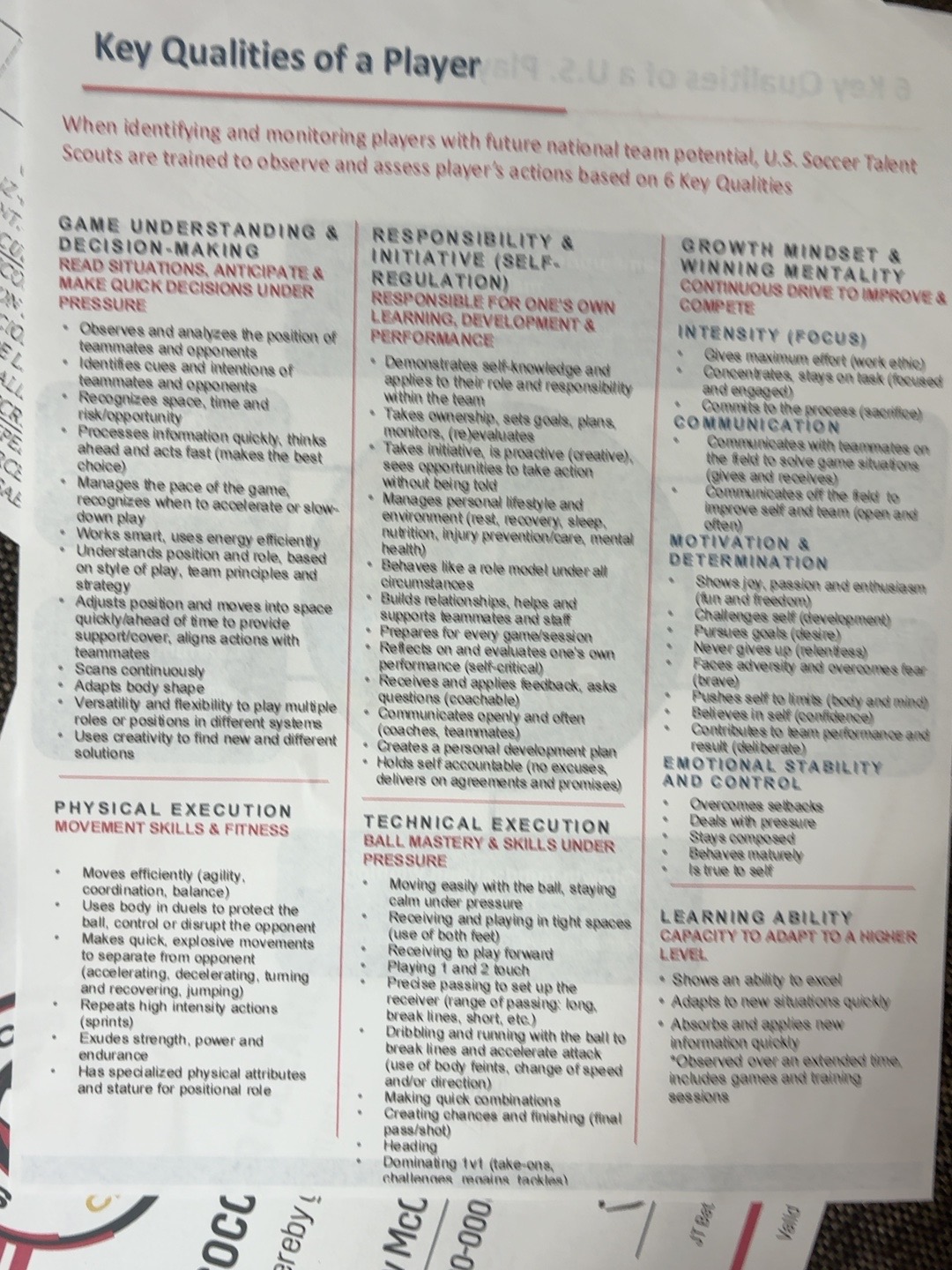
Tomamos como referencia las seis cualidades clave señaladas por U.S. Soccer. Juntas conectan la ejecución futbolística con la inteligencia, el carácter y la capacidad de seguir aprendiendo.
Referencia formativa: U.S. Soccer · 6 Key Qualities of a U.S. Player
Leer situaciones, anticiparse y tomar decisiones rápidas bajo presión.
Dominar el balón y ejecutar destrezas con eficacia, incluso en espacios reducidos y bajo presión.
Moverse con agilidad, coordinación, equilibrio, velocidad, fuerza y resistencia.
Hacerse cargo del propio aprendizaje, desarrollo y rendimiento dentro del equipo.
Mantener el impulso por mejorar, competir, perseverar y responder ante los desafíos.
Recibir información, adaptarse rápidamente y avanzar hacia niveles de mayor exigencia.
Estas dos páginas muestran el marco original que inspira la síntesis anterior.
Experiencia que sustenta la visión
Esta visión nace de una vida dentro del juego: competir, estudiar, enseñar y acompañar el desarrollo de nuevas generaciones.
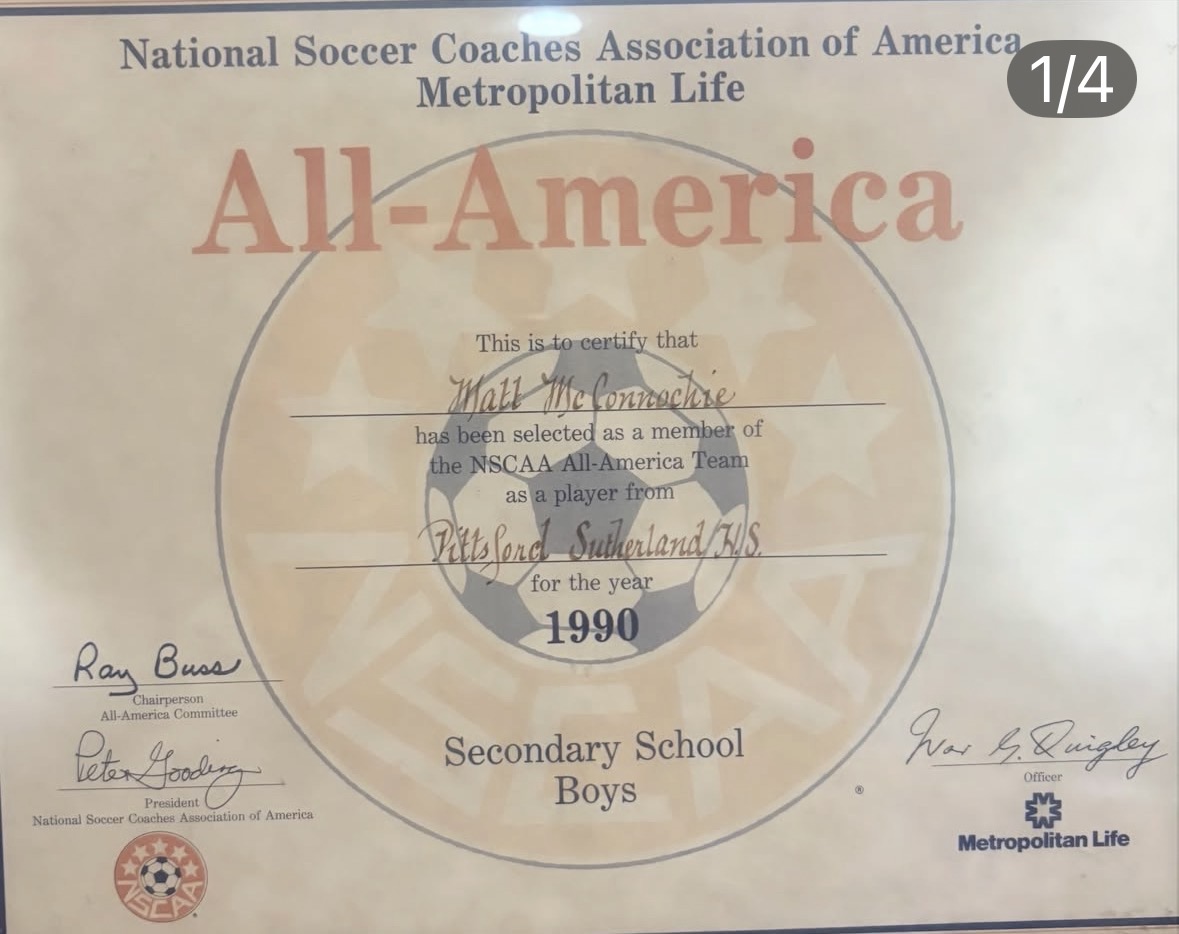
El reconocimiento nacional durante la etapa escolar reforzó una cultura de disciplina, compromiso y búsqueda constante de superación.
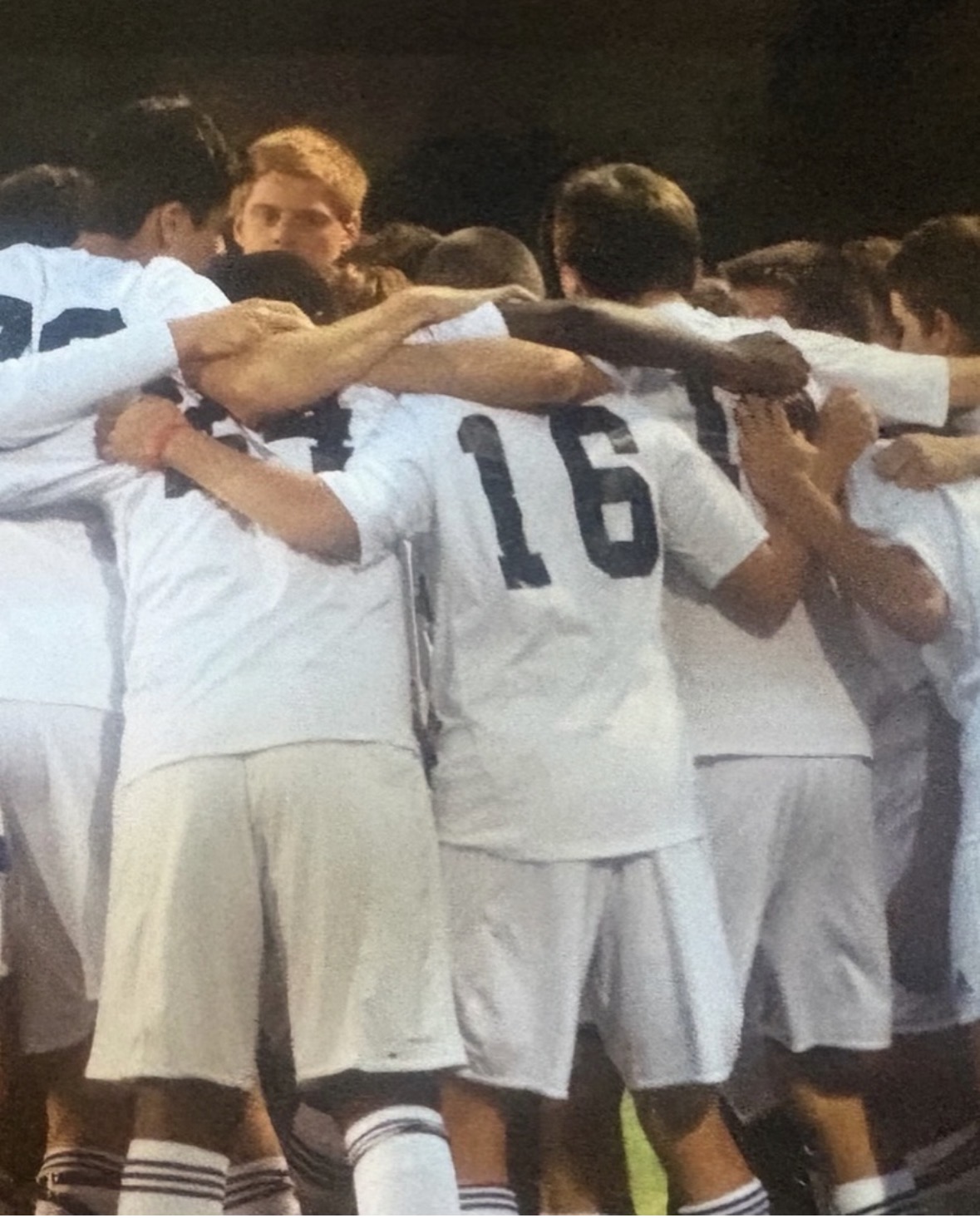
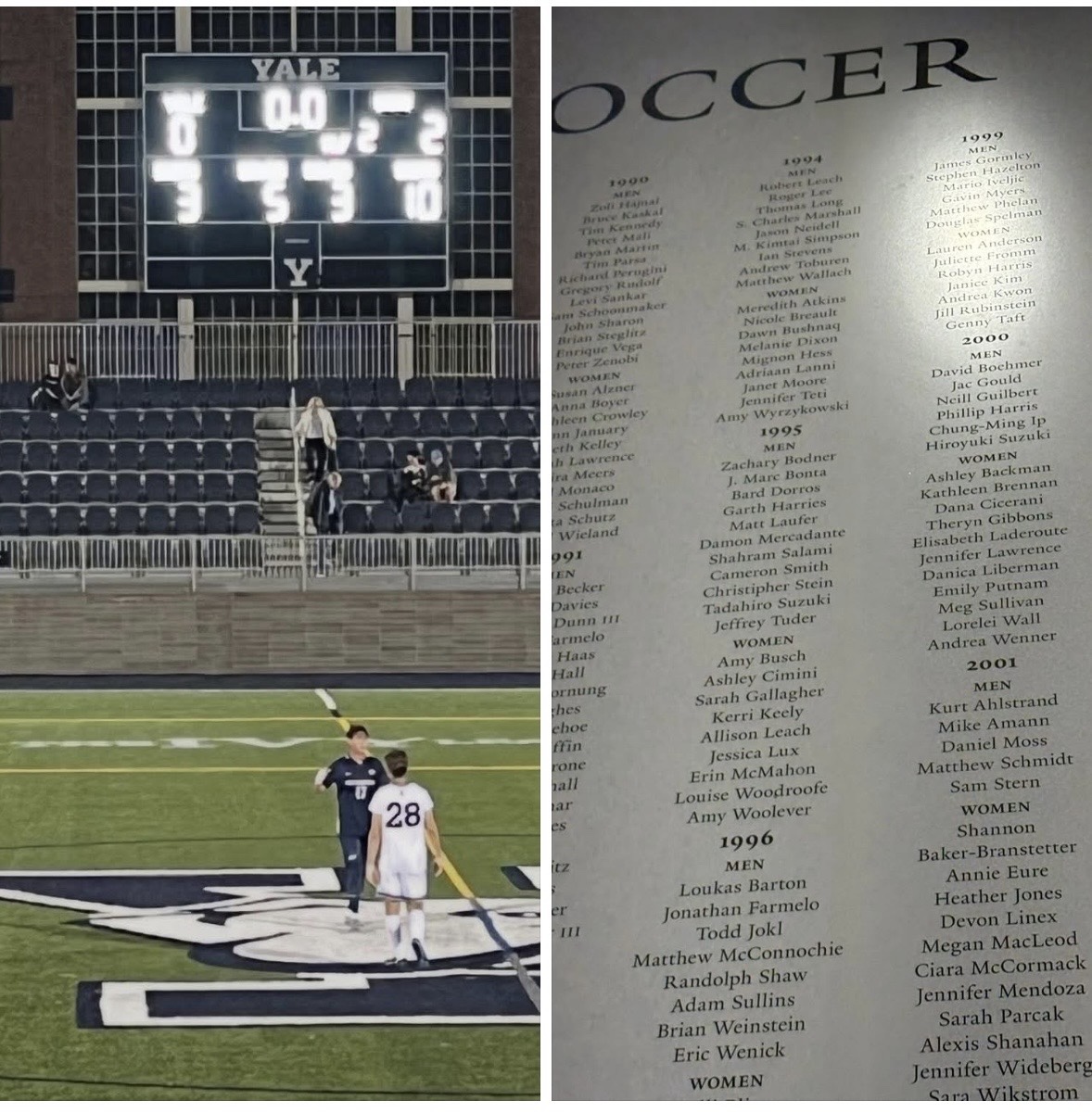
La experiencia en Yale aportó una base exigente de juego colectivo, liderazgo y aprendizaje continuo.
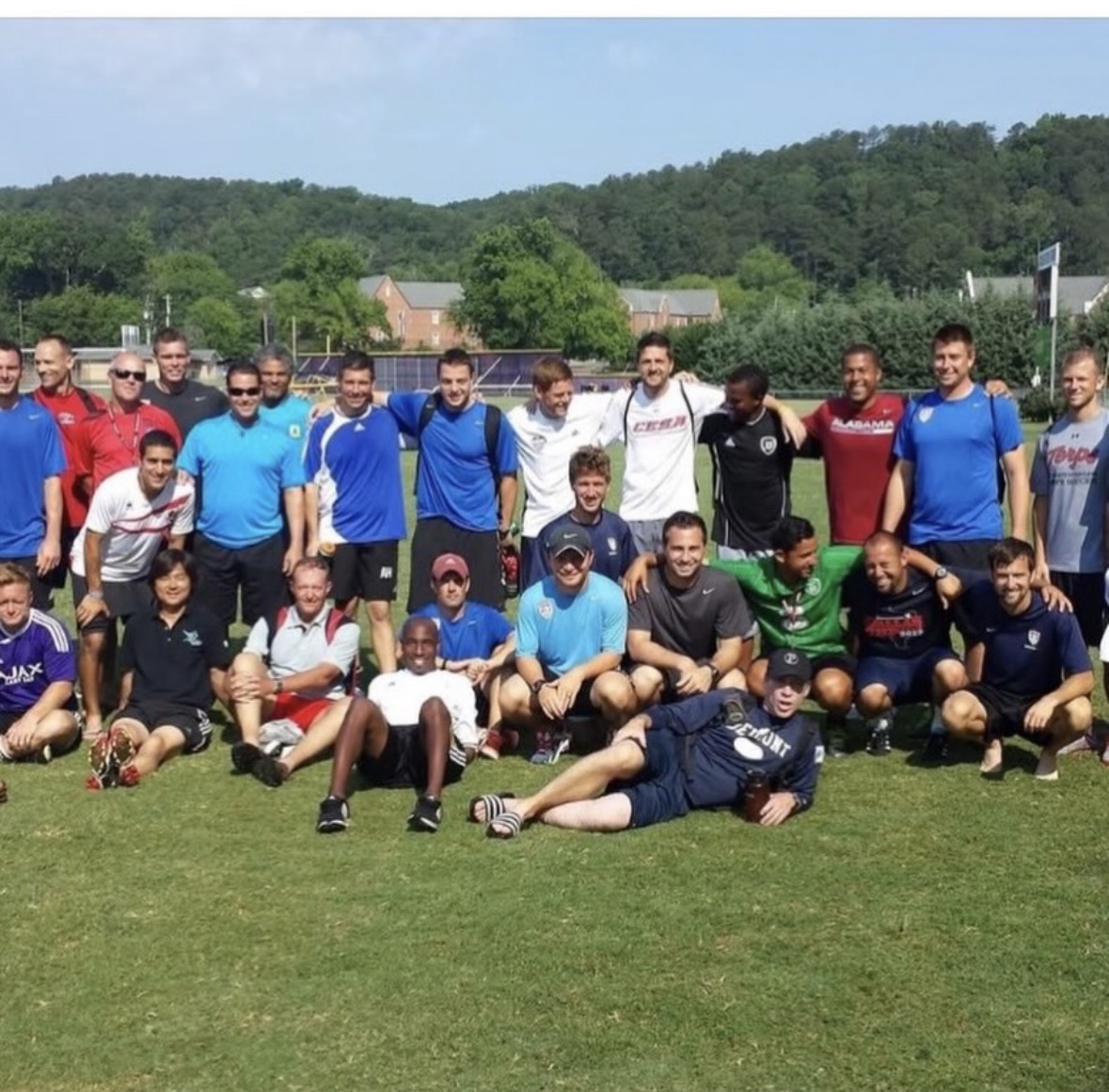
El intercambio con entrenadores de diversos contextos amplió una mirada internacional y educativa del desarrollo futbolístico.
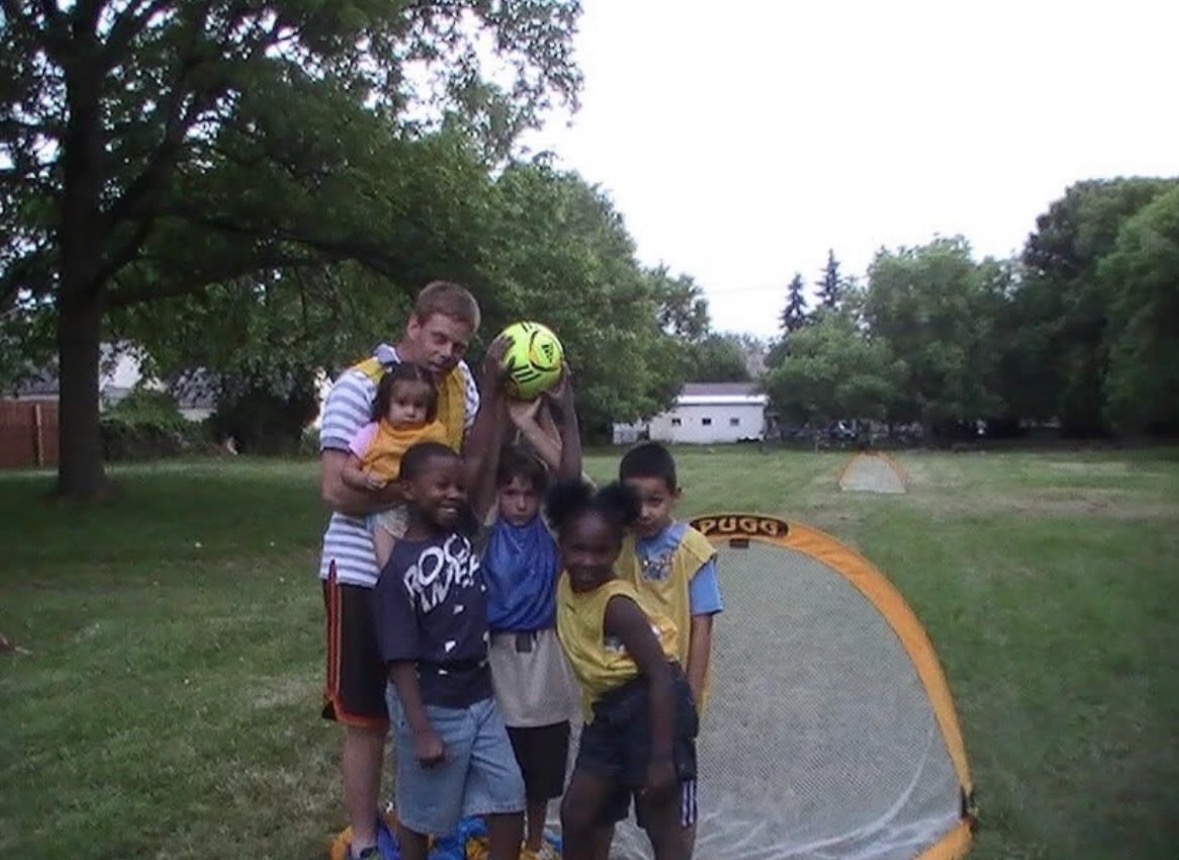
Las experiencias compartiendo el fútbol con sus hijos y sus amigos pusieron desde temprano el juego, la alegría y la relación humana en el centro.
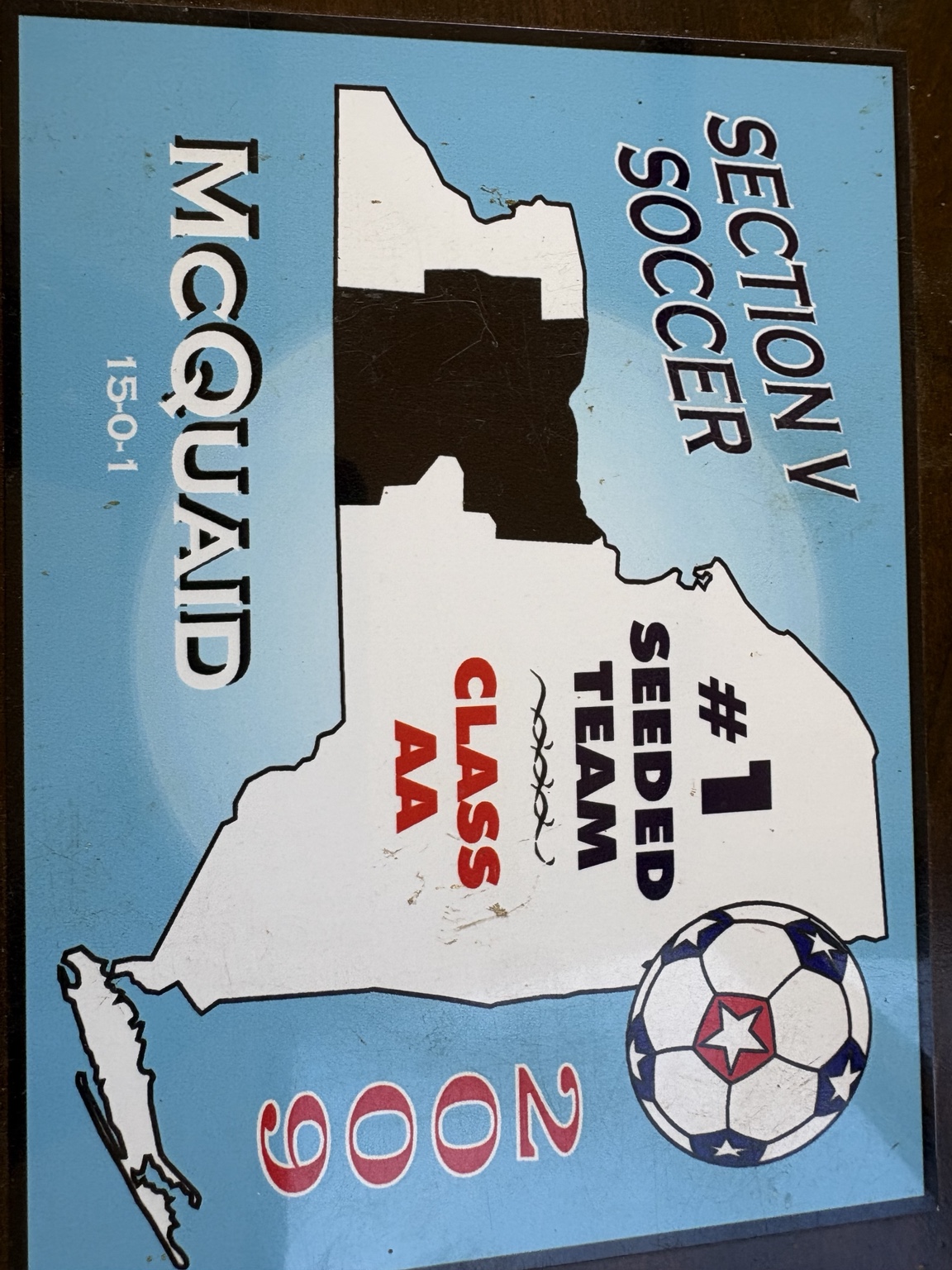
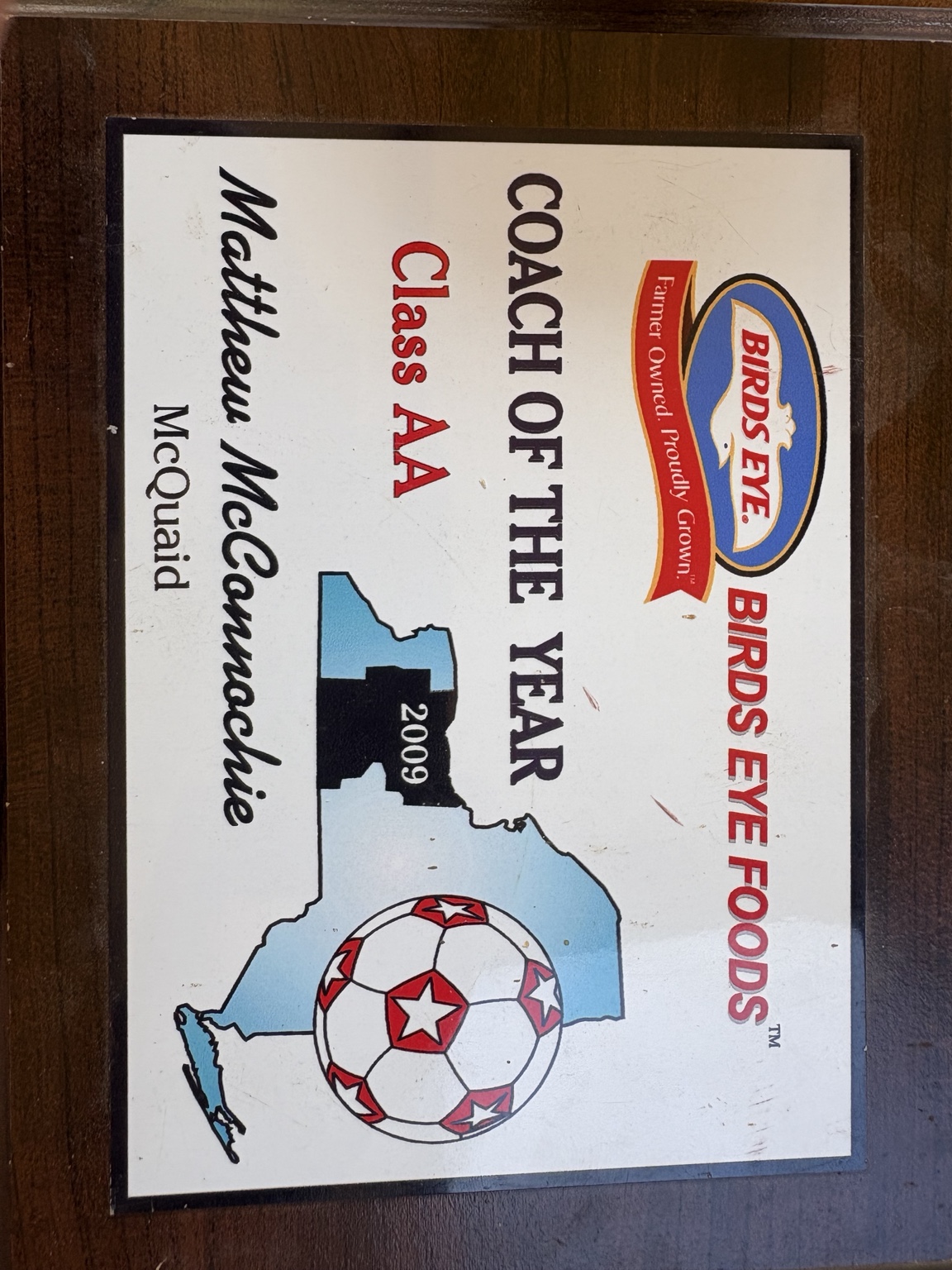
McQuaid · 2009
Dos placas de la temporada 2009 reflejan el trabajo de equipo y el reconocimiento a Matthew McConnochie como entrenador.
Artículo original en inglés · publicado con permiso
Remember how the restless young, hungry for experience and authenticity, wandered the land seeking out adventure, sensations and obscure gurus? Remember Jack and Dean? Well, that was then. Now the restless young ride around in a wildly decorated bus and get college credit. It’s sort of like the Merry Pranksters meet Contemporary Civilization 101. Sort of like Lollapalooza with final exams. Sort of like sowing tame oats.
Consider the 18 students from seven colleges who rolled into town this week, a third of the way through a national tour organized by the University of New Orleans, for 12 credits. In a 24-hour period they met and talked with three major novelists, one of them a Nobel laureate; one Pulitzer Prize-winning great American historian; one significant playwright, a rabble-rousing lawyer; the editor of a news magazine, some diplomats and a blues singer.
“I think what we’re doing is more authentic than what the Beats did,” said Grant Allen, a 21-year-old senior at New Orleans. He was wearing a tie. “They just explored the cultures of New York and San Francisco, while we are learning about the whole country, tying together blues, civil rights, foreign policy. And we’re doing it in a positive way.”
Stacy James, a student from Haskell Indian Nations University, in Lawrence, Kan., said: “It has been real stimulating. Not just all the famous people. It’s the stuff that goes on in the bus, the readings, and meeting ordinary folks like those we met when we helped build a house for a poor family in Americus, Ga.”
Ms. James, who had never been to New York City before, said she really wanted to see Strawberry Fields in Central Park. “I hope there will be time for that,” she said.
At that moment, the bus was on its way from the offices of Newsweek, where the students had heard Richard M. Smith, the editor, explain how covers were chosen, to the New York Public Library, where the young people were to meet with Toni Morrison. They had all read her novel “Beloved” as part of the readings assigned by Douglas Brinkley, their professor and guide.
“Wow,” said Matthew McConochie, one of the Yale men aboard, looking forward to the experience. “Yesterday, we saw Kurt Vonnegut on Long Island and he gave me a tomato from his garden. It was a really great tomato.”
At the library, one student asked Ms. Morrison whether she “resorted to metaphor because it was too hard to get all the emotion onto the page.”
She said: “No, one of the things I find exciting is working within the frustrations of language. Only 26 letters and some punctuation marks to get it all down. That’s what excites writers.”
Another student asked if she ever found herself identifying too strongly with her characters. “No,” she said, laughing gently. “I always know they are characters.”
And when she was asked how she had reacted when she learned about winning the Nobel Prize, she said she knew it was a time to celebrate fully and not to pretend that it really did not matter. “I gathered all my friends and we had a wonderful party.” The students clapped.
Back on the bus, they traveled to the Sara Delano Roosevelt House on East 65th Street to meet with Arthur M. Schlesinger Jr. It turned out that the house was locked and no one had the key. Professor Brinkley, thinking fast, went into the Mayfair Hotel across the street and persuaded the management to let them use a lounge off the lobby.
There Mr. Schlesinger spoke about the New Deal and compared the passionate criticism that Franklin D. Roosevelt attracted to the kinds of attacks being heaped on President Clinton. One student asked the historian how he had avoided becoming a racist, having grown up when he did. He gave credit to his parents and said his views and character were also shaped by Reinhold Niebuhr. He realized that few if any of the students had ever heard of the theologian, so he provided a biographical sketch.
The students took notes and then, just before they left, they asked Mr. Schlesinger for his autograph, as during their first day in New York they had asked for the signatures of William M. Kunstler, Amiri Baraka and Bo Diddley Jr.
They drove to the United Nations to attend a diplomatic reception. Then as dusk was descending they went to the Chelsea Hotel to meet with Jay McInerney. They asked him if he liked the movie of his novel “Bright Lights, Big City.” He said he didn’t. They asked him why he wrote it in the second person. He said it was the best way to maintain an ironic tone. They asked him whether it wouldn’t be a good idea if MTV employed the vitality of youth to do more meaningful things. Mr. McInerney agreed, but said he was afraid the network would probably have trouble presenting anything that took longer than three minutes.
Artículo de The New York Times, publicado con permiso.
Abrir el artículo original en The New York TimesUna trayectoria dentro del juego
Más de dos décadas aprendiendo, dirigiendo, colaborando y acompañando el desarrollo de jugadores y entrenadores.
Compartir metodología, observar la cancha, ofrecer retroalimentación y confiar responsabilidades son partes esenciales de la formación de formadores. Esa experiencia práctica es una de las bases de Fútbol Formativo Alliance.
Fútbol formativo no es solamente producir mejores jugadores. Es crear mejores entornos, mejores entrenadores y mejores oportunidades para que los jóvenes crezcan a través del juego.
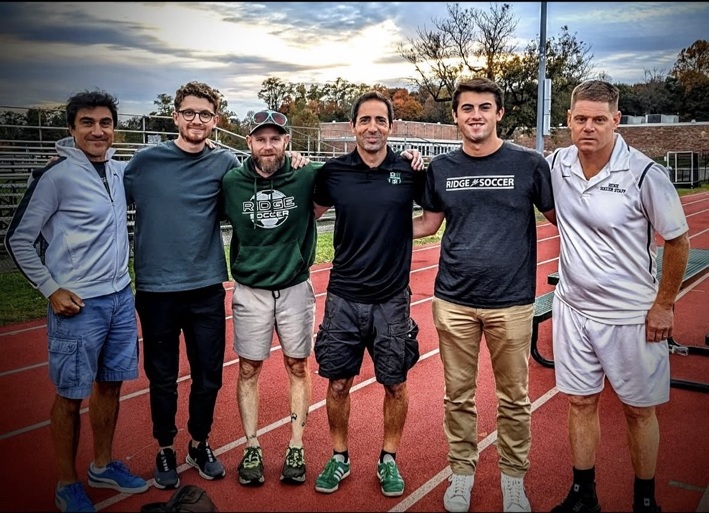
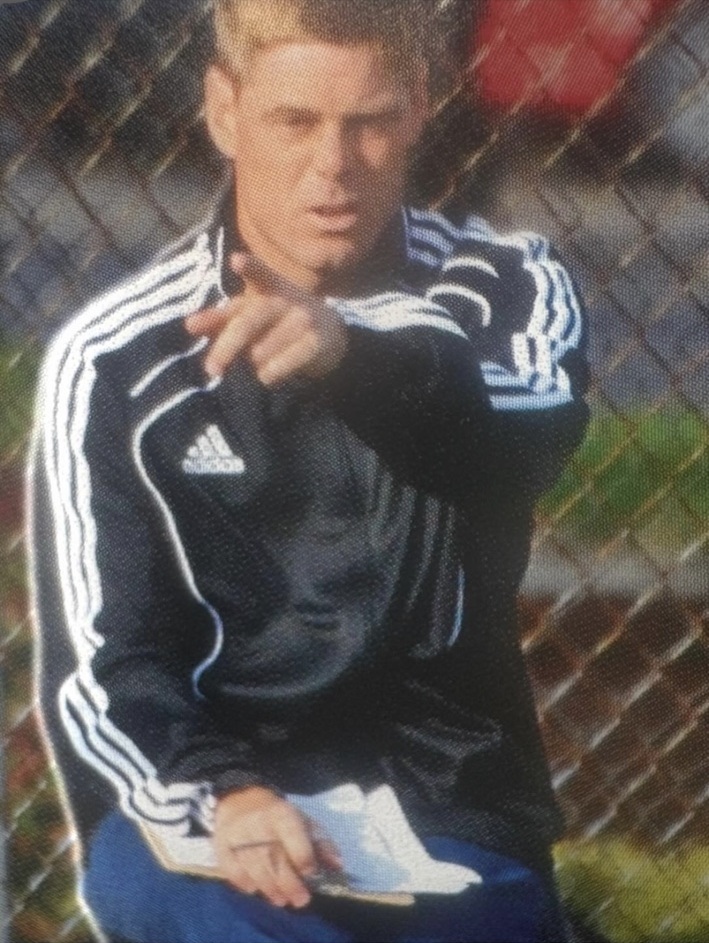
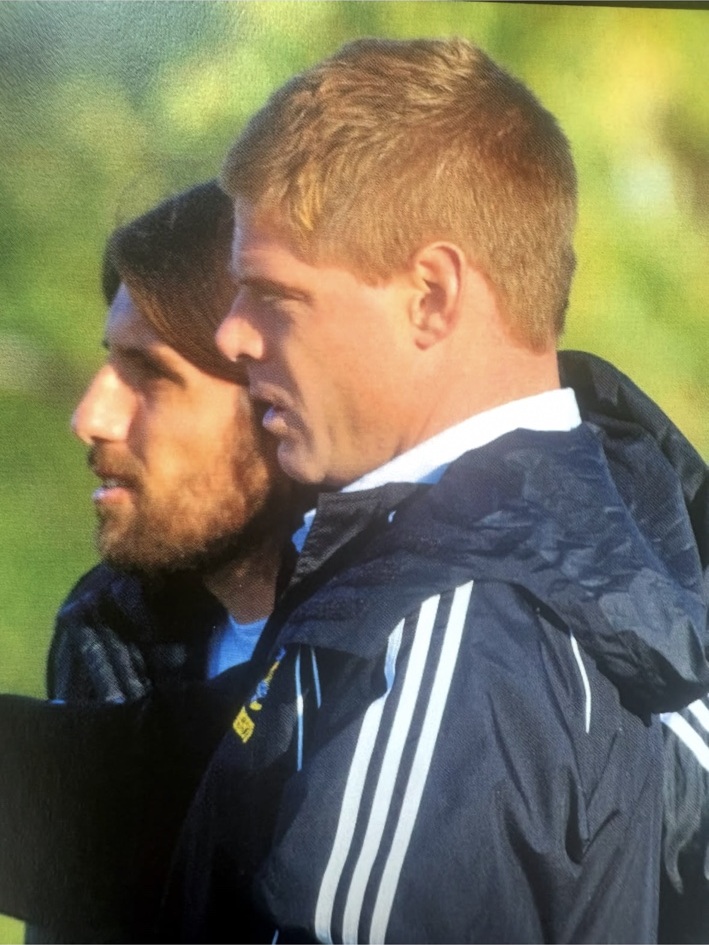
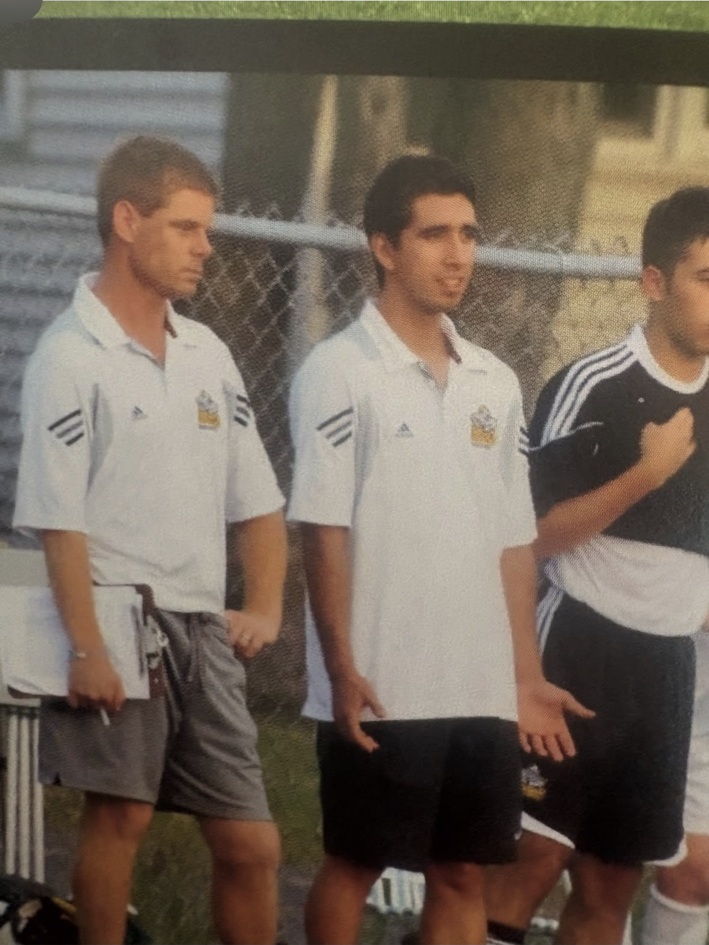
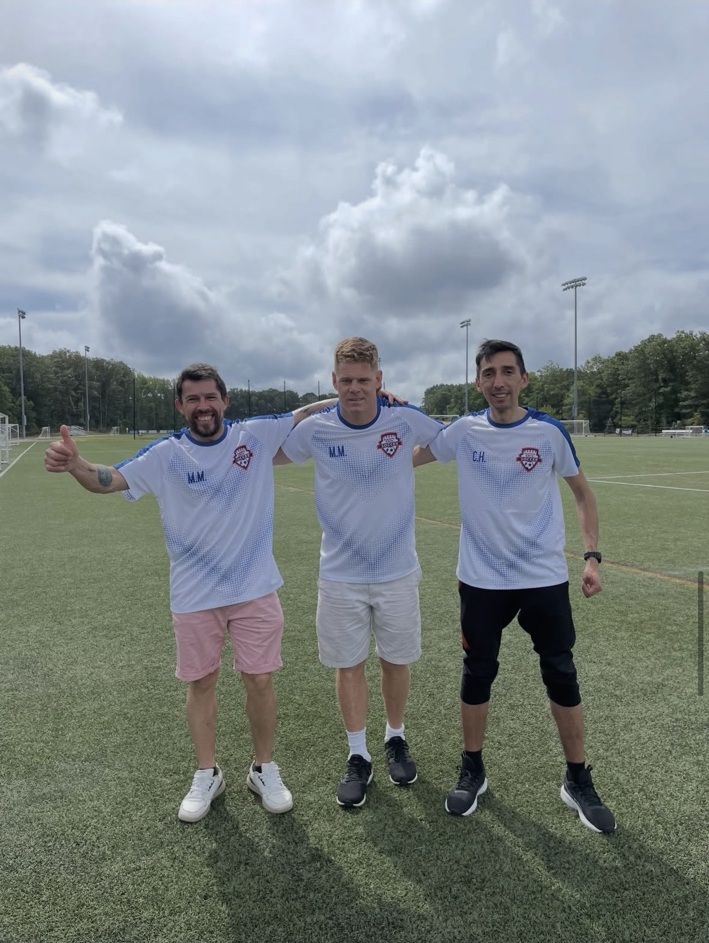
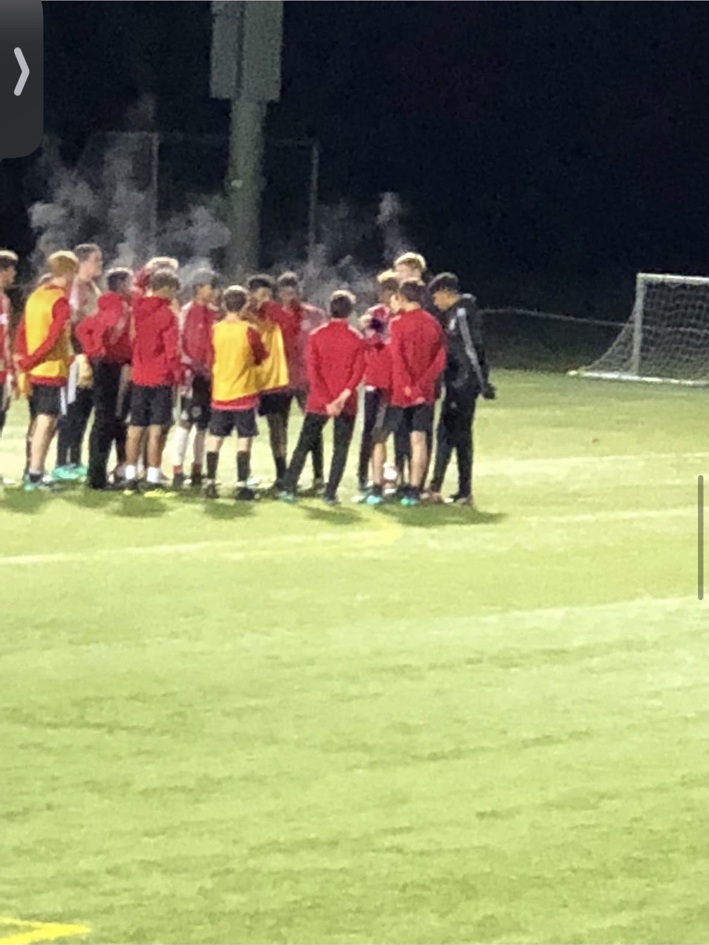
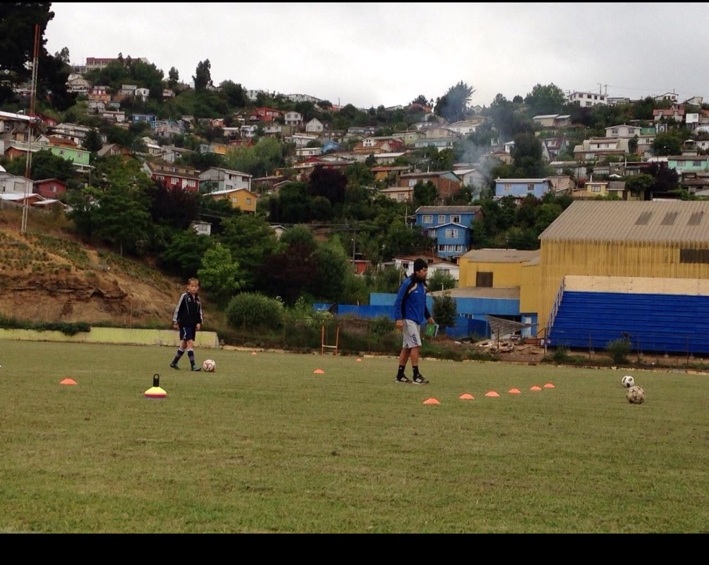
La comunidad en la cancha
Los programas sólidos se construyen con jugadores, familias, escuelas, clubes y aliados comunitarios que trabajan con un propósito claro.
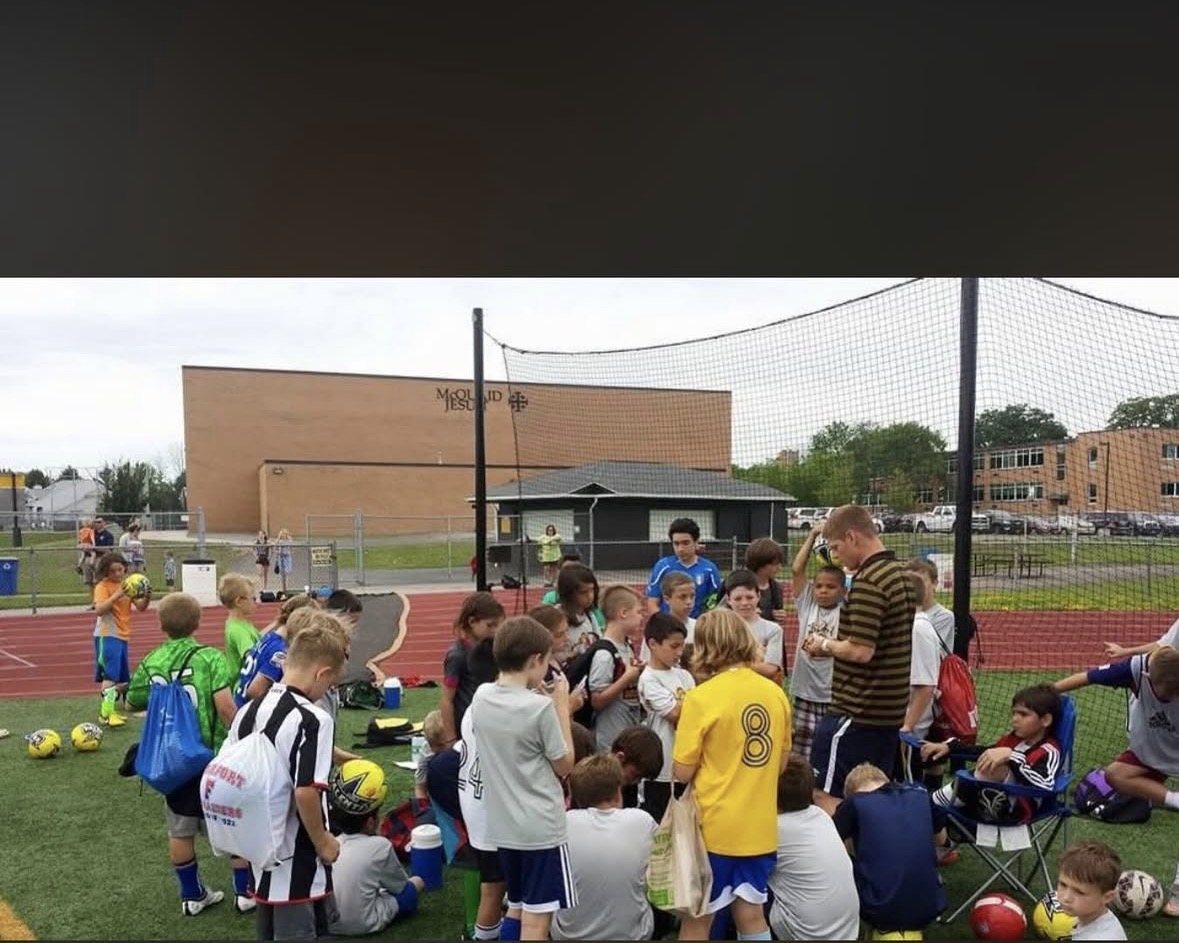
Lo que nos une
El juego es el punto de partida para pensar, decidir, expresarse y disfrutar.
El desarrollo deportivo acompaña el bienestar, la identidad, la autonomía y los valores.
La colaboración entre culturas futbolísticas fortalece a jugadores, familias y formadores.
El fútbol formativo de calidad debe llegar a cada comunidad, no solamente a quienes pueden pagarlo.
Biblioteca en crecimiento
Próximamente reuniremos herramientas concretas para aprender, enseñar y conversar sobre fútbol formativo.
Artículos, actividades y marcos para orientar la formación.
PRÓXIMAMENTESesiones, demostraciones y conversaciones con formadores.
PRÓXIMAMENTEVoces de entrenadores, educadores, jugadores y comunidades.
PRÓXIMAMENTETres formas de participar
Fútbol Formativo Alliance es un punto de encuentro para compartir conocimiento, fortalecer programas y conectar buenos entrenadores con nuevas oportunidades.
Comparta artículos, actividades, videos, investigaciones o experiencias que puedan enriquecer la formación de jugadores y entrenadores.
Proponer contenido ↗Cuéntenos qué necesita su club: entrenadores, dirección de programas, clínicas o formación para su equipo técnico.
Solicitar apoyo ↗Presente su experiencia, formación, disponibilidad e intereses para ser considerado en futuras asignaciones y colaboraciones.
Unirse a la red ↗